
Review & photos by Ron Lyon
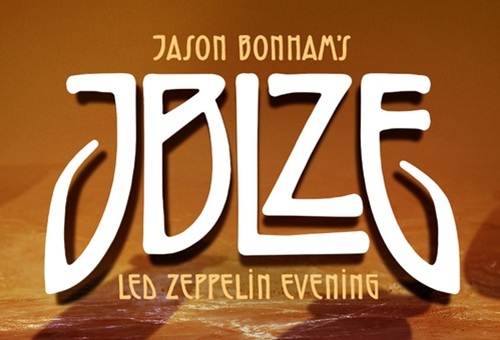
There are two interesting questions Jason Bonham likes to ask audiences during a Jason Bonham’s Led Zeppelin Evening show: Who has seen the band before? And who is experiencing it for the first time?
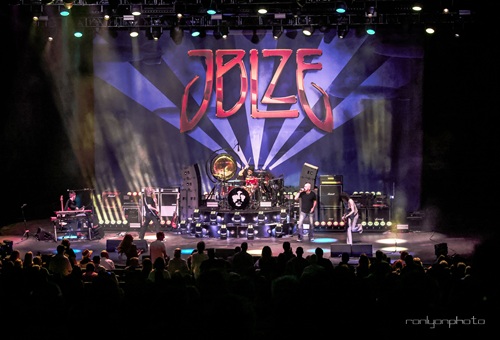
At the Pacific Amphitheatre, there were plenty of both. Having first photographed the inaugural Jason Bonham’s Led Zeppelin Experience in 2010 at the Pantages Theatre in Hollywood, this writer has followed Bonham and various incarnations of the project numerous times since. Sixteen years later, what began as Bonham’s deeply personal tribute to his father has developed into an exceptionally polished celebration of Led Zeppelin’s music.
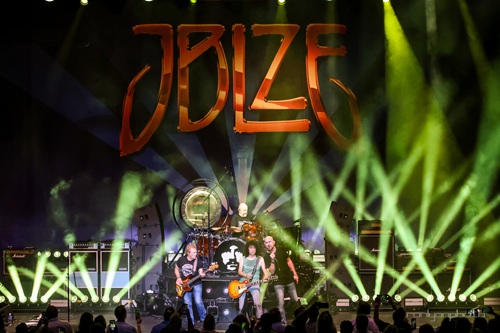
The current chapter also arrives on the heels of JBLZE’s extensive celebration of the 50th anniversary of Led Zeppelin’s Physical Graffiti. Bonham has called 1975 double album his ultimate Led Zeppelin record, and the band spent roughly a year and a half touring a show built around performing the entire album. Although that full-album anniversary tour ended earlier this year, its influence remains. Saturday’s set retained Physical Graffiti favorites including “The Wanton Song,” “Houses of the Holy” and “Kashmir,” while opening the program back up to songs from across the Zeppelin catalog.
The band began with “Over the Hills and Far Away,” followed by “Good Times Bad Times” and “The Wanton Song.” “Houses of the Holy” came next before the familiar guitar attack of “Heartbreaker” brought another enthusiastic response. It established the feel of the evening quickly. There were no unnecessarily extended solos or arrangements stretched simply for the sake of length. The pacing was smooth, allowing the songs and the musicians playing them to carry the show.
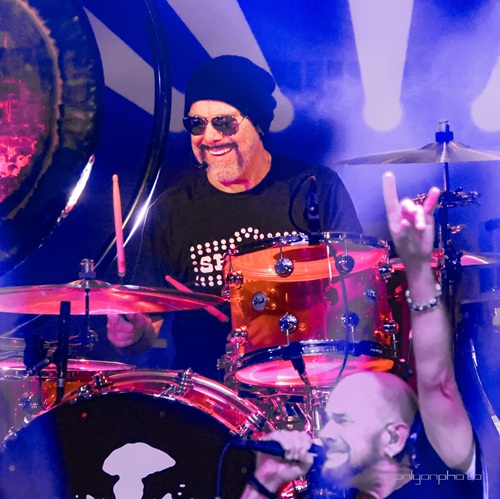
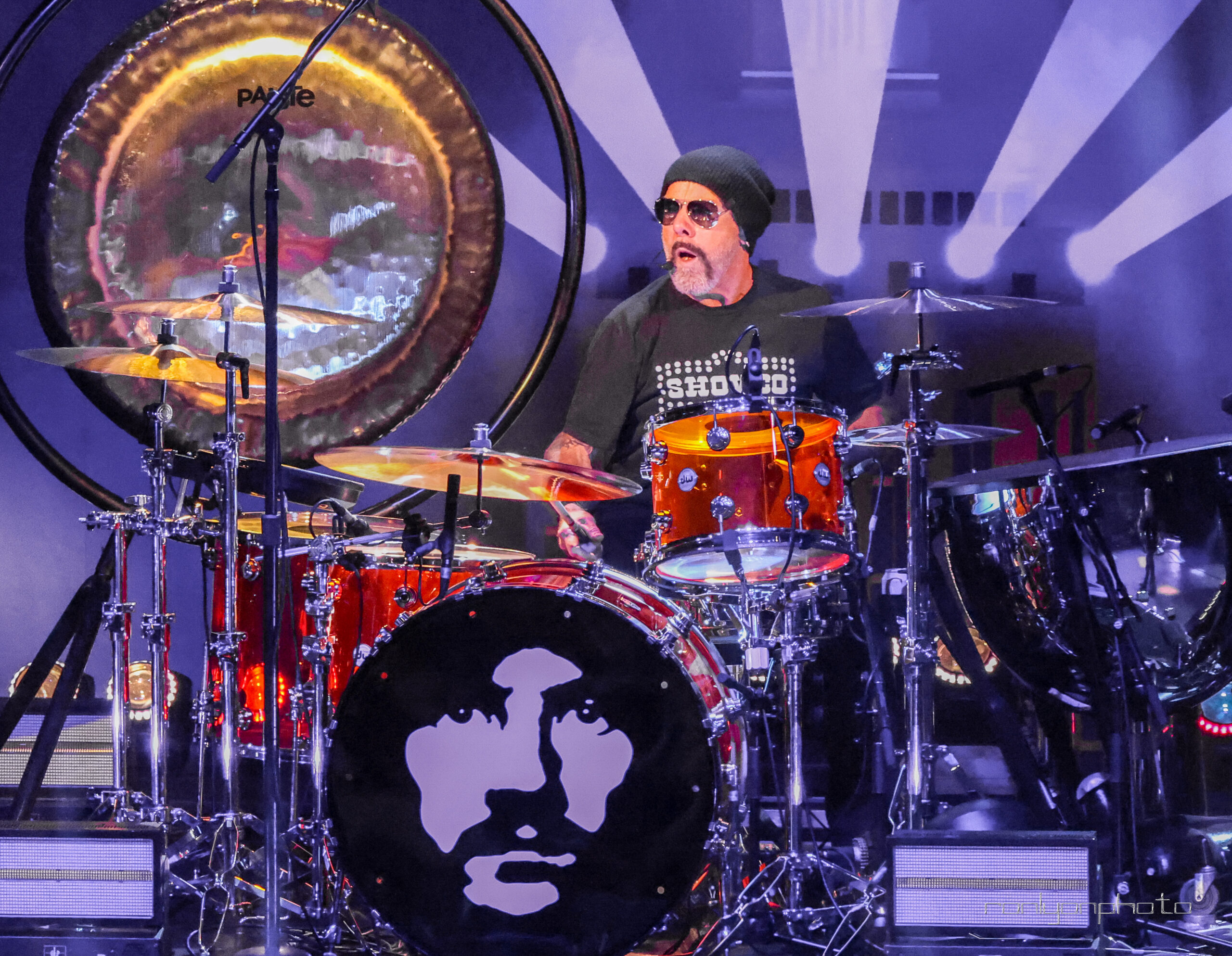
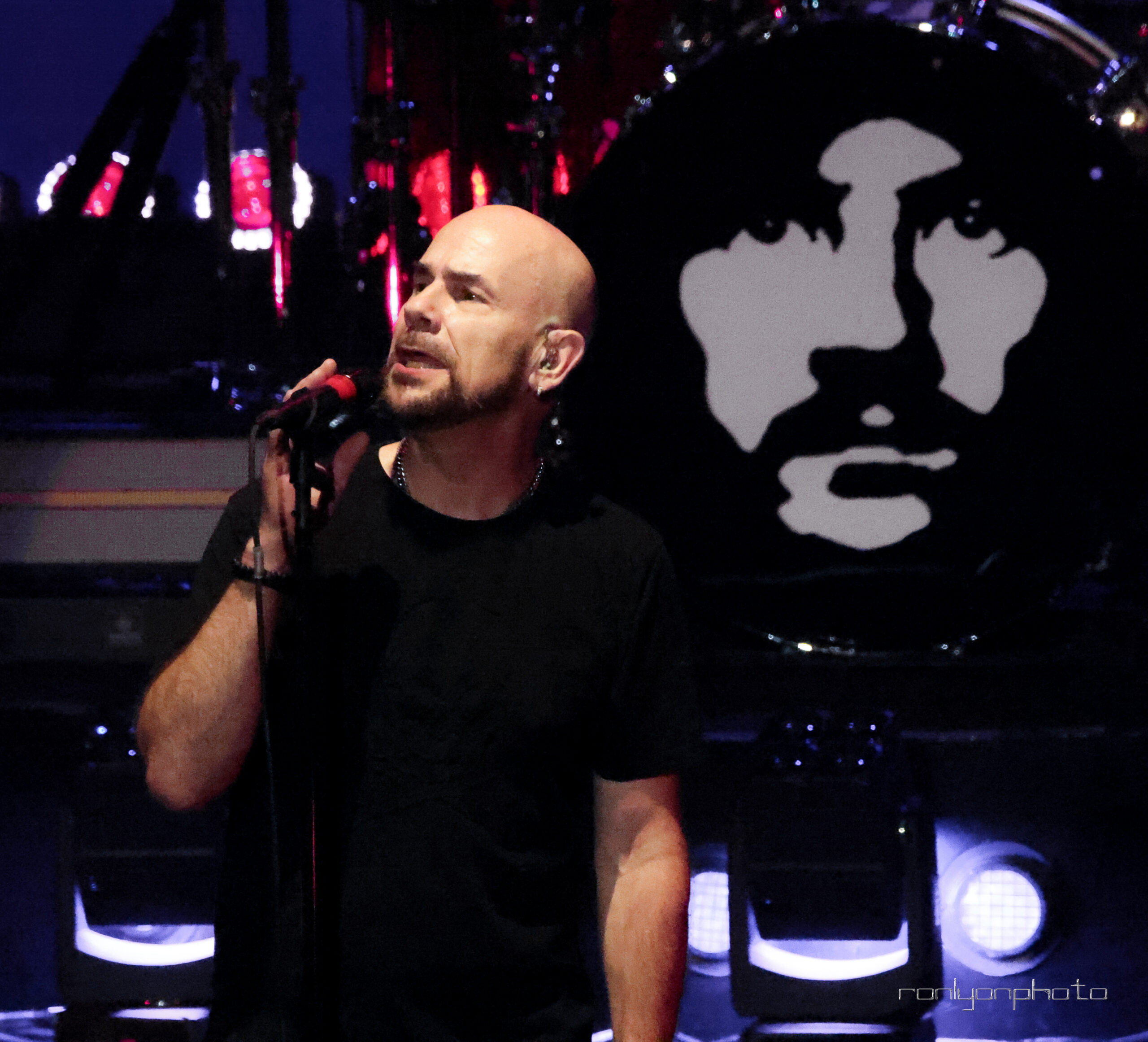
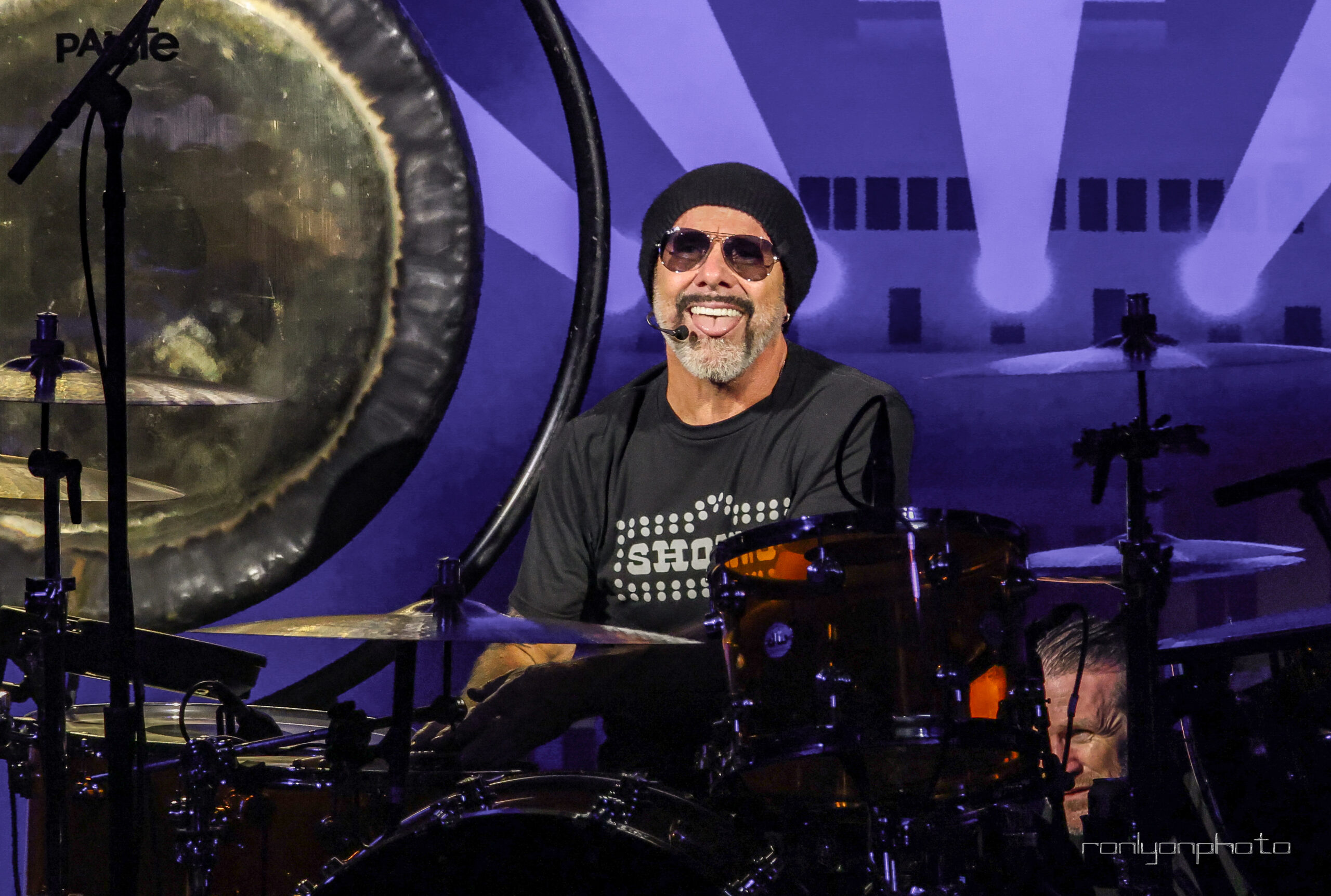
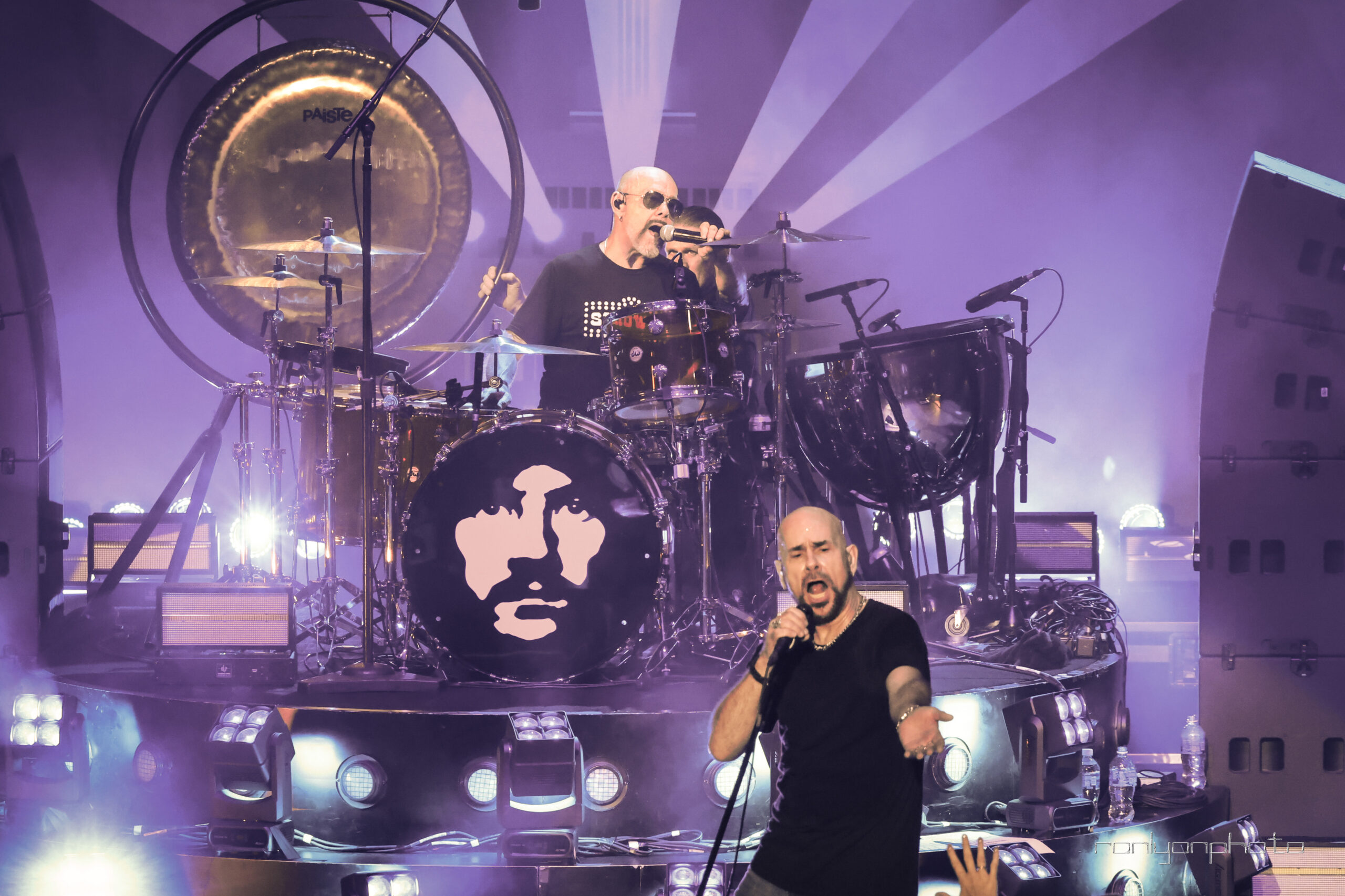
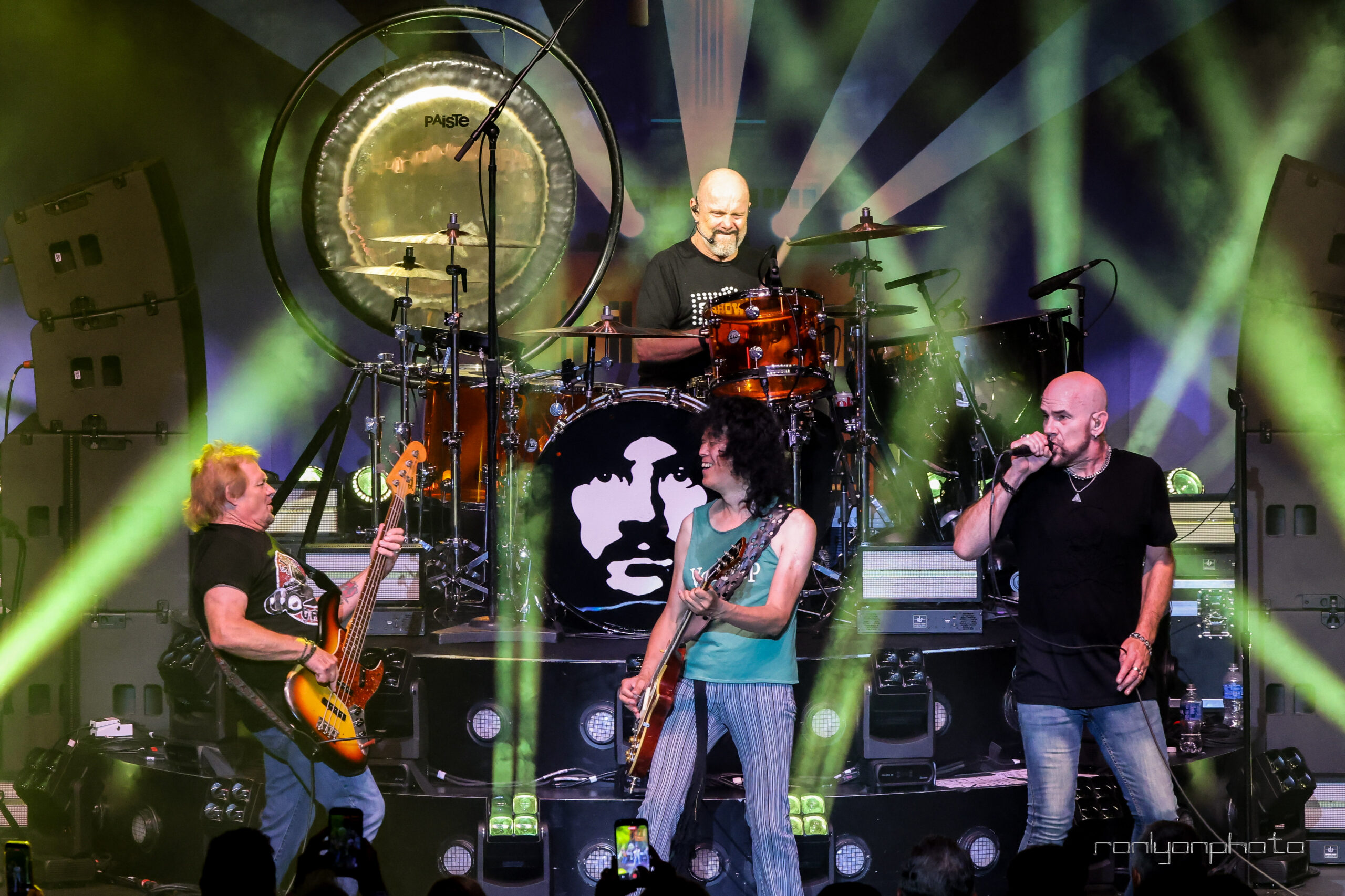
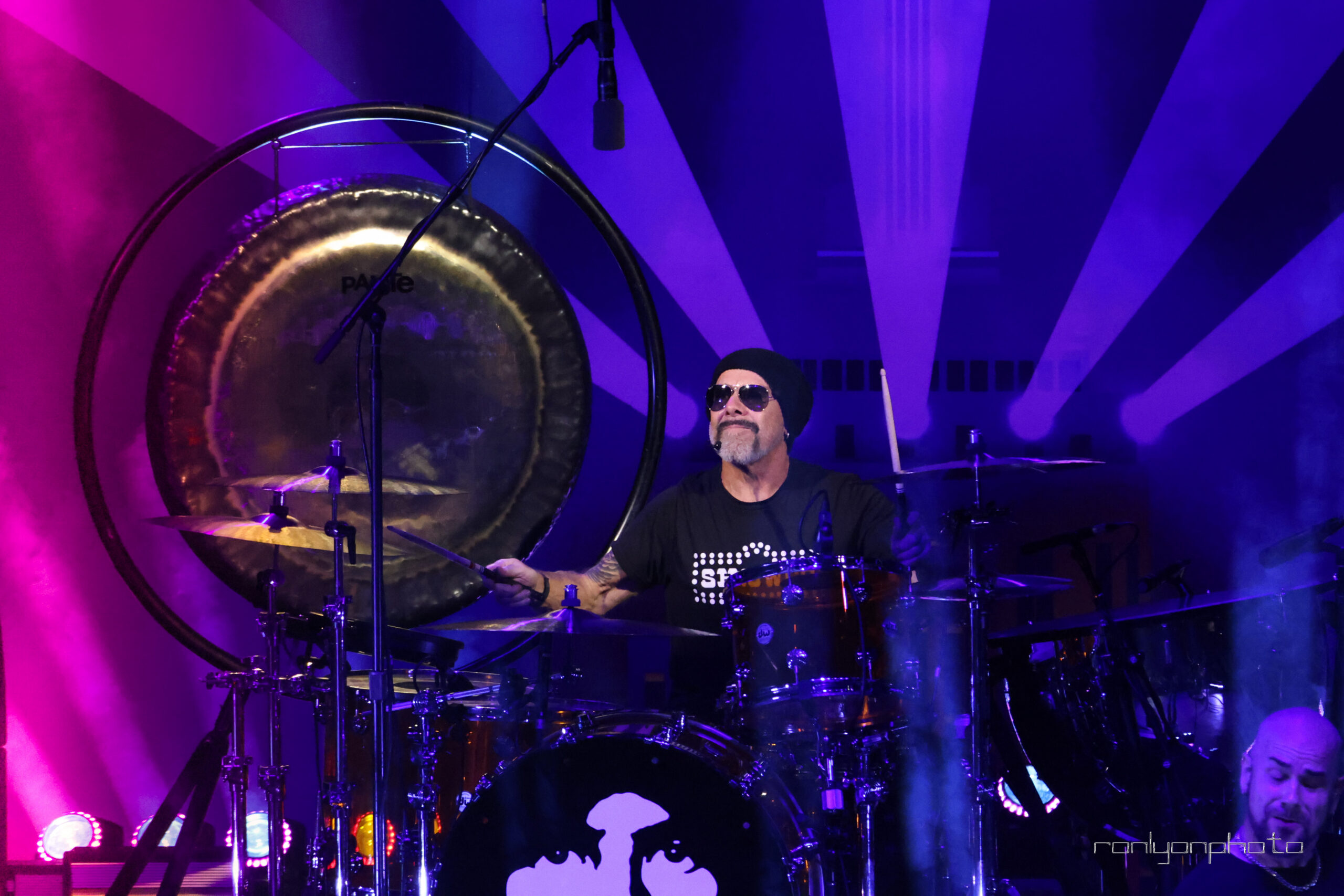
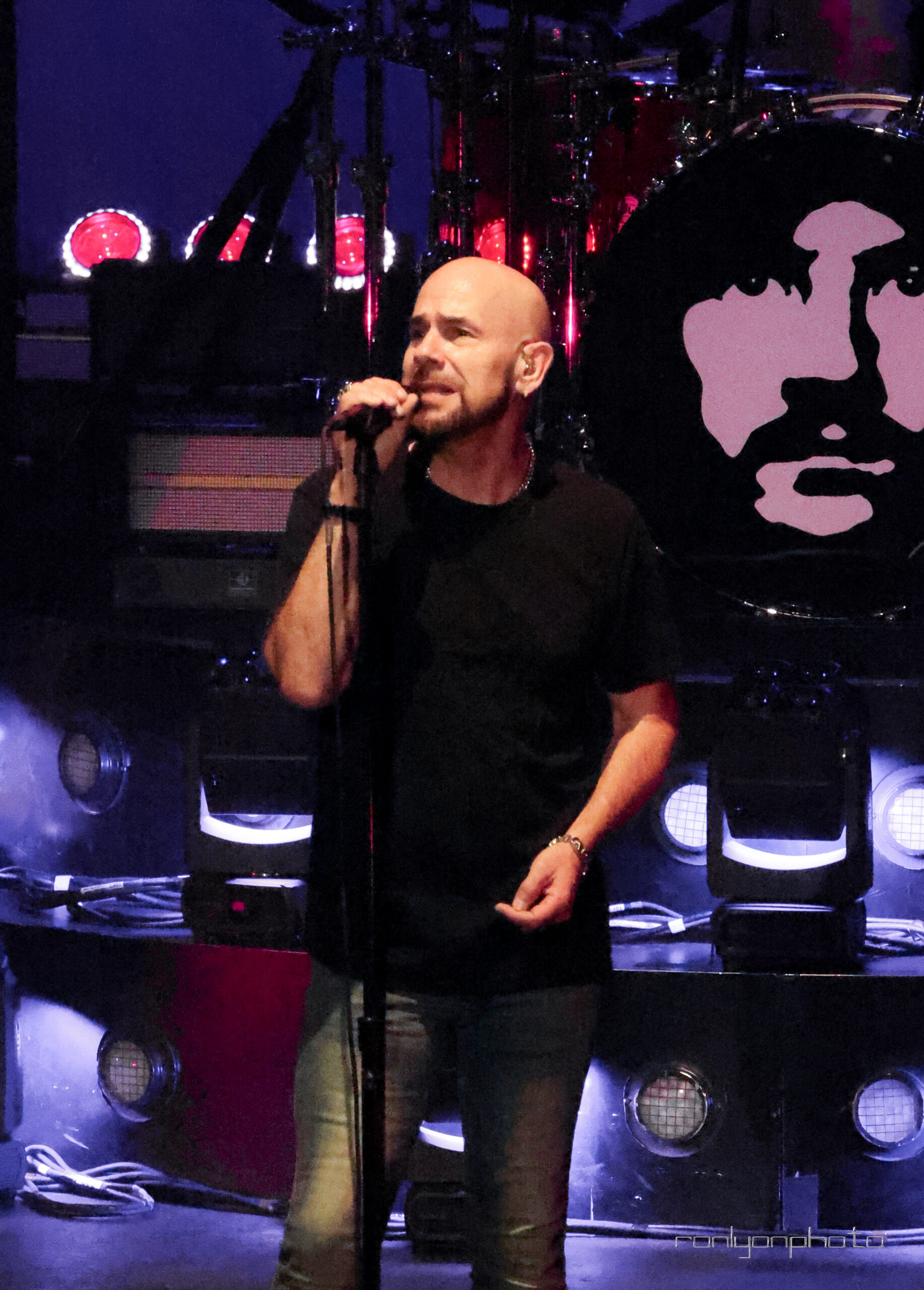
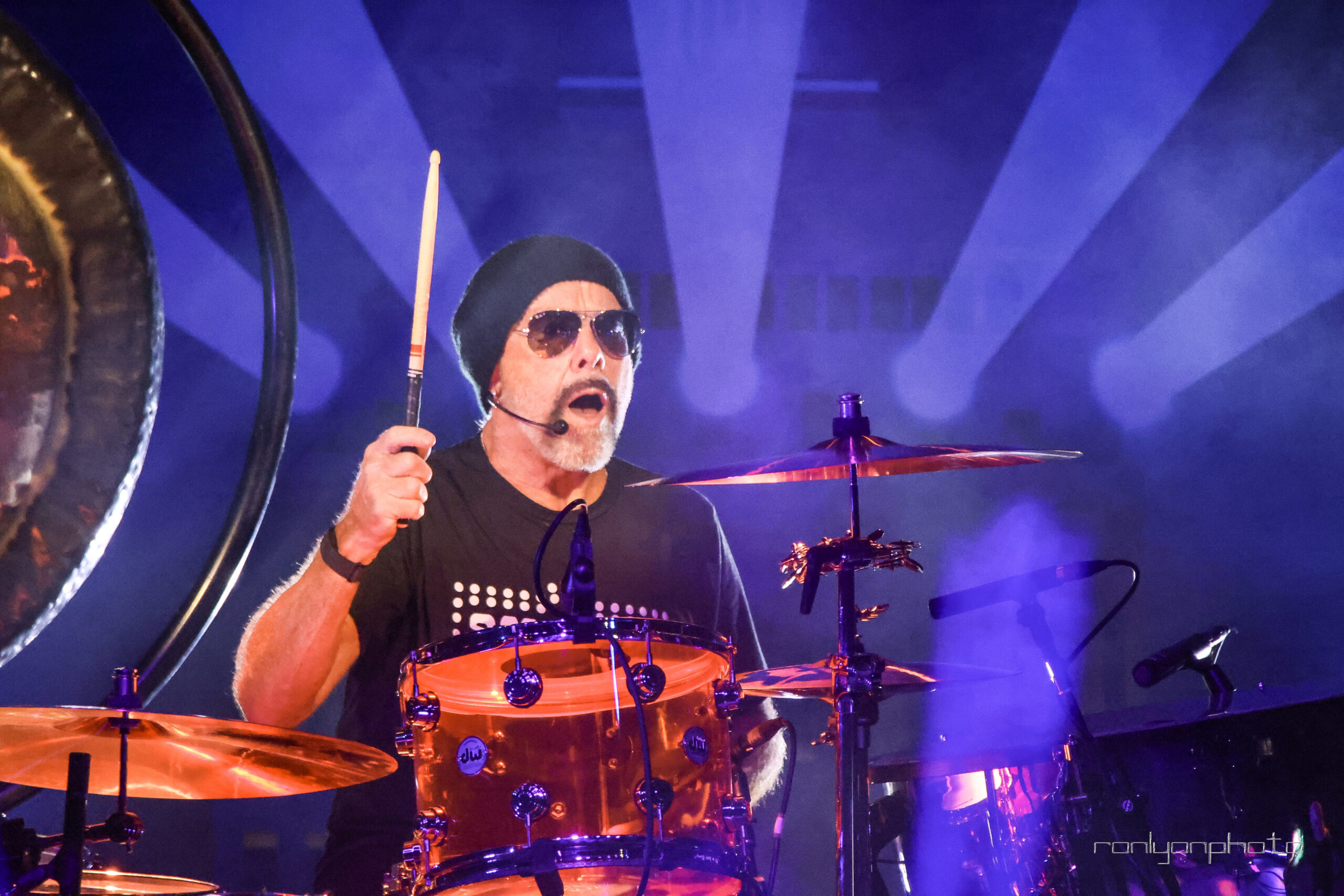
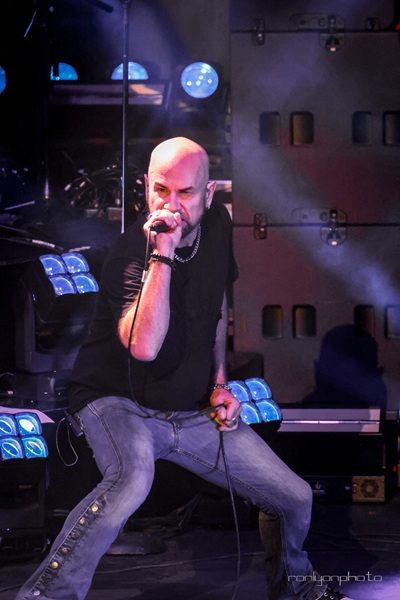
Bonham remains the center of it all, both musically and emotionally. His playing remains solid and authoritative. It seemed he concentrated on what the songs required, hitting the fills and accents instead of turning the evening into a demonstration of drumming technique. Lead singer James Dylan was also in particularly strong form. Singing Robert Plant material night after night cannot be easy, yet Dylan’s voice remained strong throughout the performance, reaching the high notes cleanly without noticeable strain.
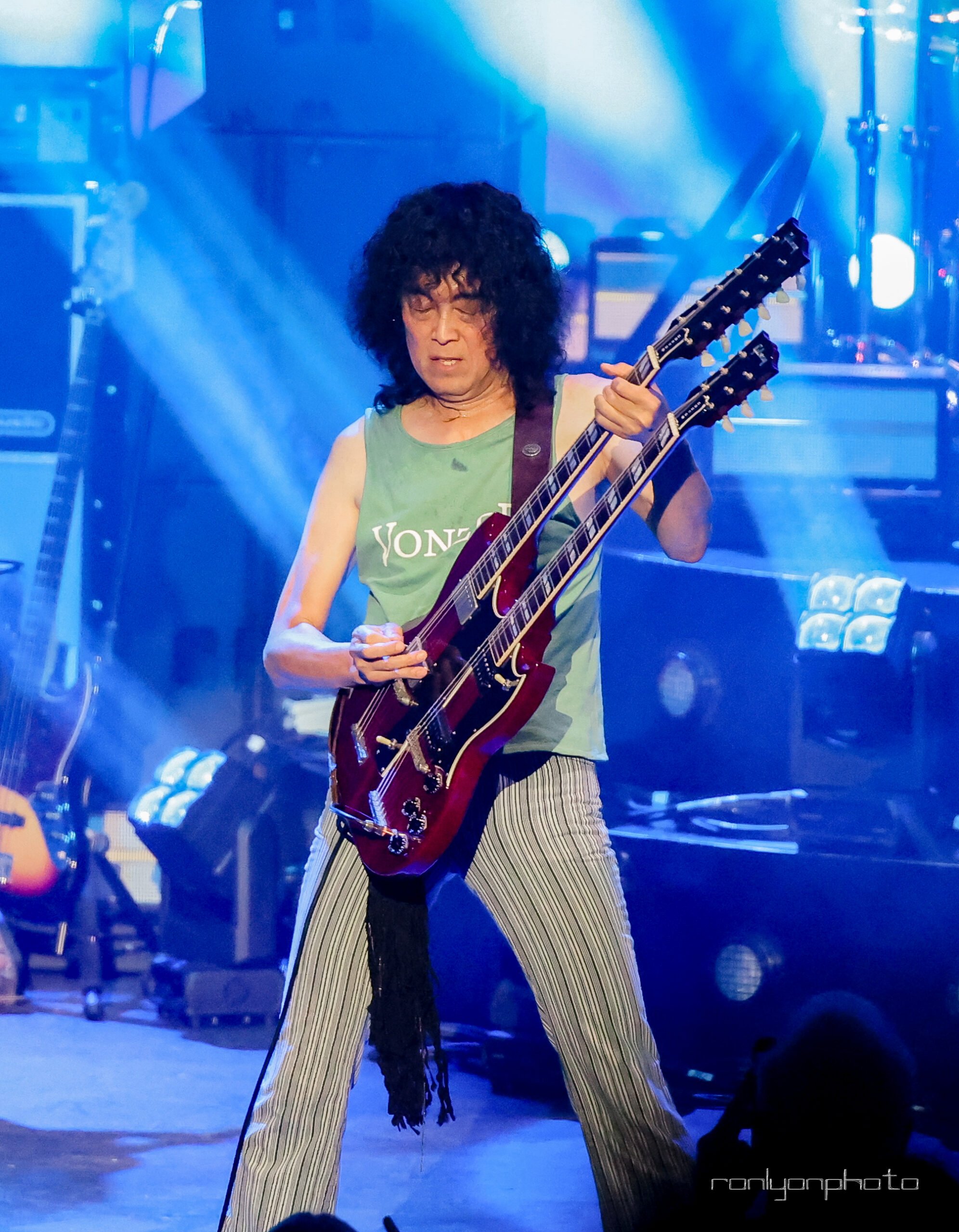
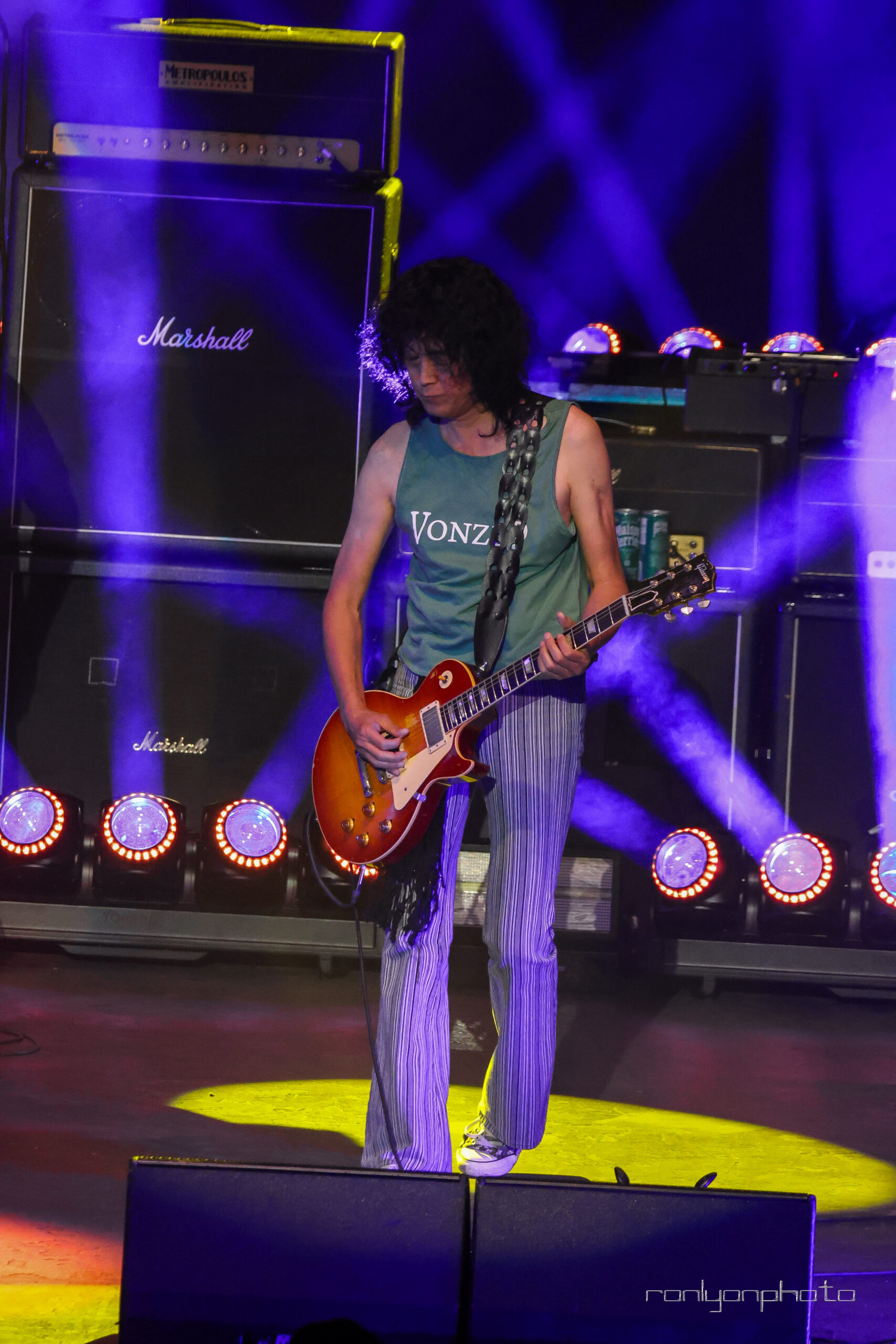
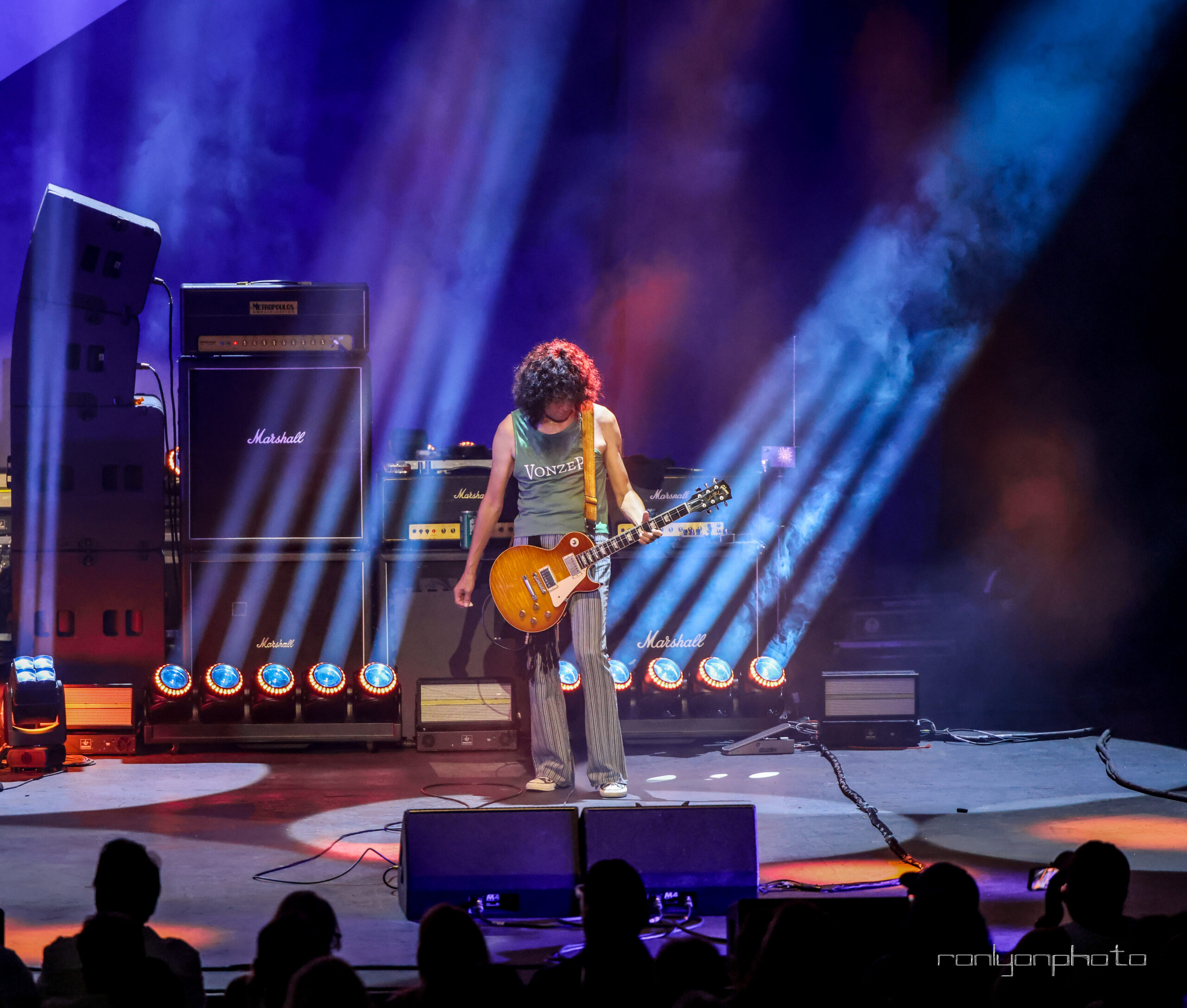
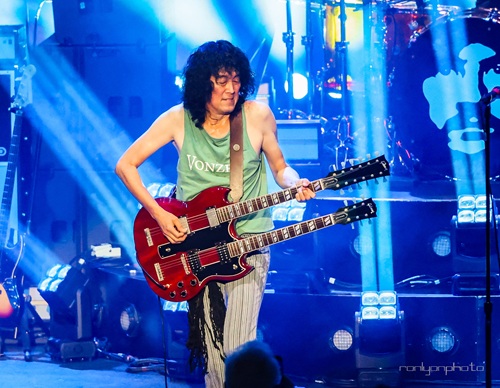
Then there is Akio “Mr. Jimmy” Sakurai. Sakurai’s immersion in Jimmy Page goes considerably deeper than simply playing the correct notes. His guitar tone, physical mannerisms and stage presence are remarkably detailed without reducing the performance to impersonation. His appearances with the iconic Gibson double-neck were among the evening’s visual and musical standouts, Sakurai at times looking uncannily like Page in his Zeppelin prime.
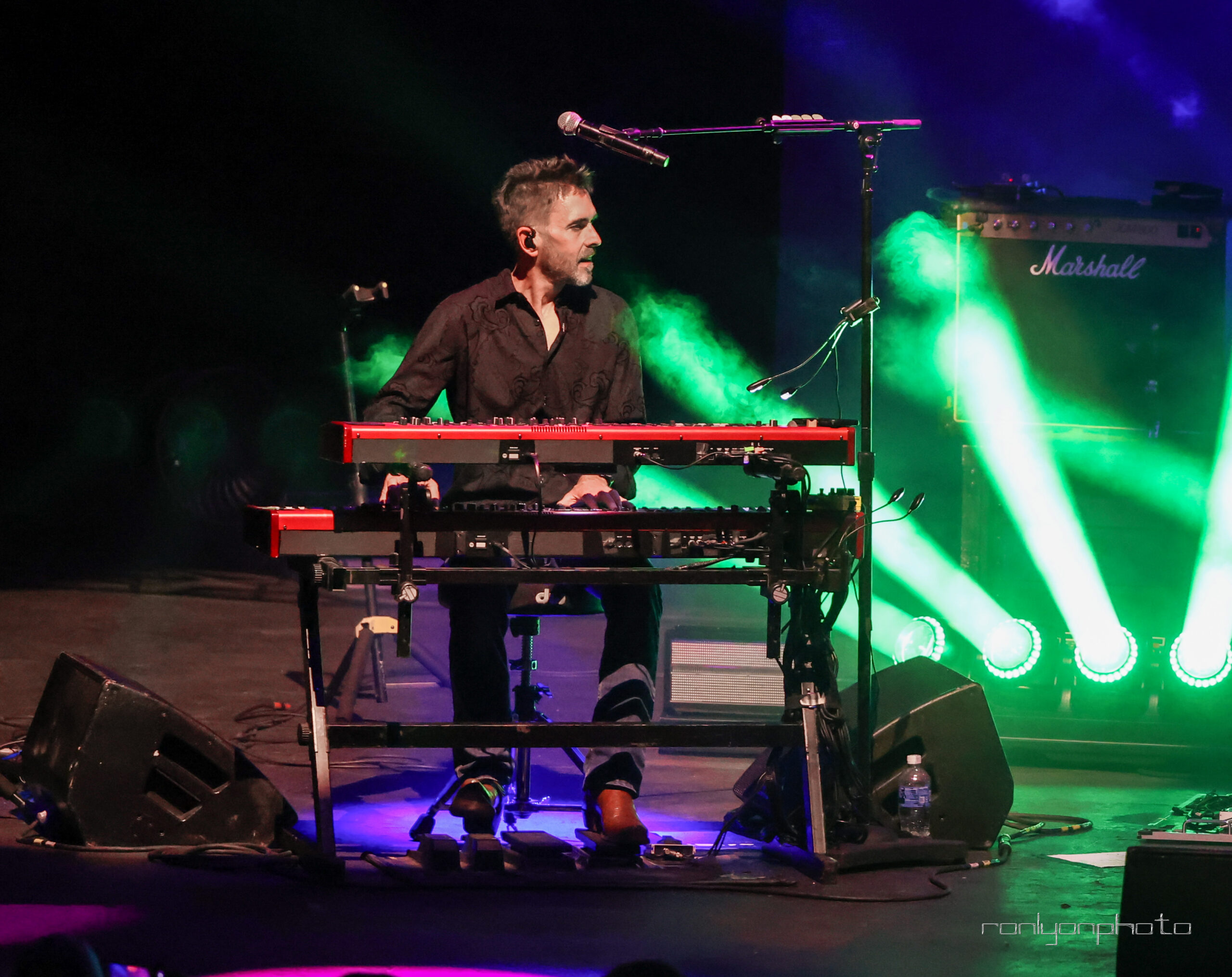
The current lineup also benefits from its keyboardist and rhythm guitarist Alex Howland, and longtime bassist Dorian Heartsong.
“The Rain Song” provided one of the night’s first significant changes of pace as cellphone flashlights began appearing throughout the Amphitheatre, today’s version of cigarette lighters, as the grooving audience settled into a quieter moment.
Then came one of the strongest stretches of the night. “Achilles Last Stand” put Bonham squarely in territory associated with some of his father’s most recognizable playing. The drummer didn’t attempt to reinvent it. He hit the fills where they belonged and drove the song with the confidence and familiarity of someone who has lived with this music for most of his life.
The atmosphere shifted again for “No Quarter.” With the stage submerged in moody lighting, Howland moved to electric piano while Bonham incorporated timpani and gong. At one point, Bonham cupped his hands to his ears, encouraging the already receptive Pacific Amphitheatre crowd to give him even more. “Ramble On” and “The Ocean” (without the famous count-in) followed, with Bonham joining the audience vocally for the signature “la la la’s”.
Before “Misty Mountain Hop,” Bonham recalled the enormous pressure surrounding Led Zeppelin’s celebrated 2007 reunion at London’s O2 Arena, where he occupied the drum throne once held by his father. He spoke about the nervousness of singing harmony alongside Robert Plant and ultimately reduced everything he wanted from that extraordinary night to just something far simpler: “All I wanted was a smile from my dad’s mates.”
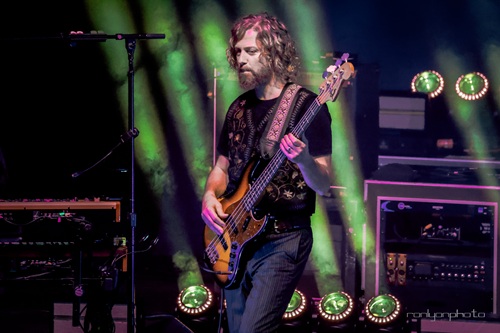
It was a brief moment that illustrated why JBLZE remains different from a conventional tribute band. For Bonham, this isn’t just copying classic rock songs. The songs are inseparable from his father, his childhood and his own musical life.
“Kashmir,” one of the centerpieces of Physical Graffiti, brought another huge audience response before “Whole Lotta Love,” complete with Sakurai’s light theremin use, appeared to be steering the evening toward the typical Zeppelin finish.
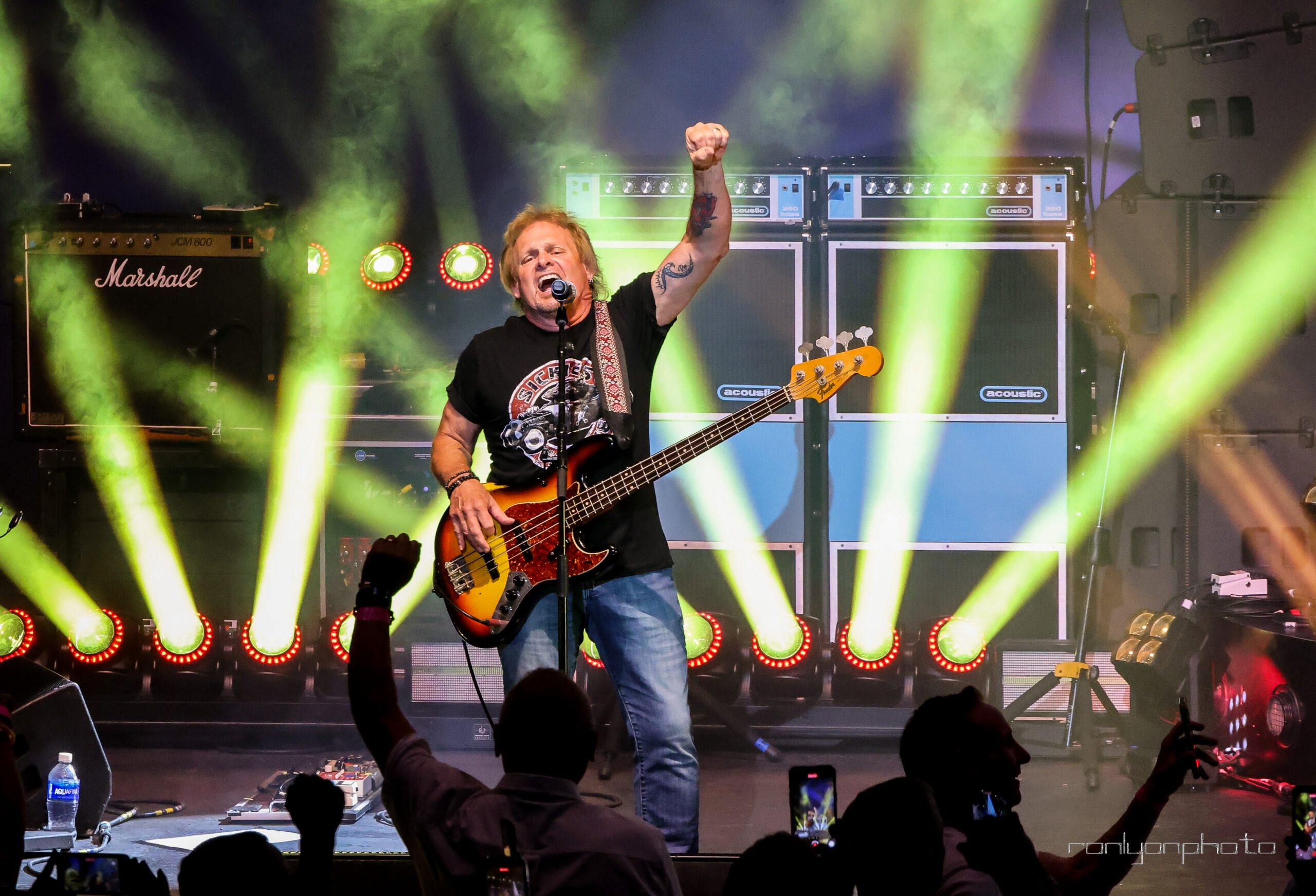
Then Bonham changed direction. He brought out former Van Halen bassist Michael Anthony, recalling their years playing together with Sammy Hagar. The response from the Southern California audience was immediate. With Anthony onstage, JBLZE suddenly left the Zeppelin catalog behind and launched into Van Halen’s “Runnin’ With The Devil.”
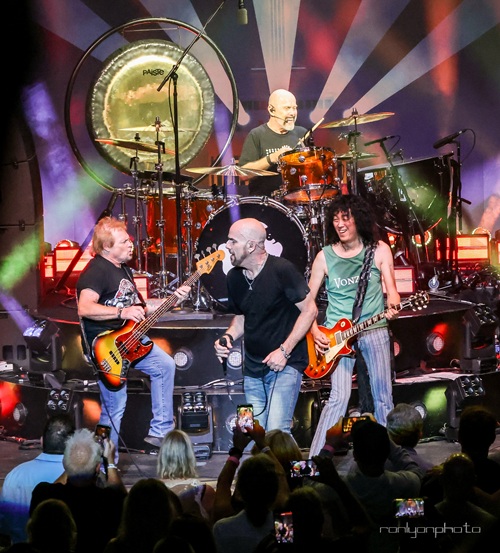
Anthony has always brought an infectious sense of fun to the stage. Borrowing Heartsong’s bass, he strapped on his trademark grin and injected a burst of loose background vocal energy into an evening that until then had been impressively disciplined. Mr. Jimmy honored Eddie Van Halen by playing his EVH “Wolfgang” model guitar. Anthony plugged in and became part of the band. He remained onstage as JBLZE launched into “Rock and Roll,” helping bring the sold-out evening to an appropriate close.
Viewed against the project’s 16-year history, Saturday’s show stood up well alongside its previous incarnations. The musicianship was strong, the pacing kept the evening moving, and Bonham appeared completely at ease in his dual role as drummer and host. What began in 2010 as a son celebrating his father’s musical legacy has accumulated a legacy of its own. The recent Physical Graffiti anniversary gave JBLZE another opportunity to dig deeply into that history, and it didn’t hurt having Michael Anthony help to turn the finale into a genuine Southern California rock and roll party.