
In 1985, UK musicians Roland Orzabal and Curt Smith redefined MTV-era pop music with primal anthems of self-expression. Their second album, Songs From The Big Chair would top the charts worldwide as the pair channeled psychotherapy into such unique paeans as “Shout” and “Head Over Heels.” Even at the pair’s most effusive, a confrontational undercurrent was always laid bare in their songs (case in point, the bouncy “Sowing The Seeds of Love” and it’s hook of “Time to eat all your words; swallow your pride; open your eyes”).
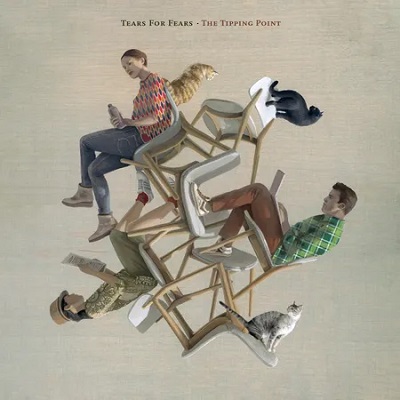
On their first studio release in 18 years, Orzabal and Smith remain no less direct in their music, but they finally allow it to take on a lighter, more intentionally accessible tone. Instead of coming at listeners full force in a declamatory manner, the pair sound like world-weary travelers finally at peace with what life has thrown at them — good, tragic, or somewhere in between. The result is a powerful effort from wise elder statesmen; ones who have let their angry young men flag finally fly away.
Where Songs From The Big Chair had Orzabal’s powerful baritone asserting dominance throughout, this album largely belongs to Smith vocally and he doesn’t disappoint, especially on tracks like the gorgeous “Rivers of Mercy” (arguably the album’s greatest track) and lilting “Stay.” Smith’s supple tenor doesn’t crack or break once. It’s this element that showcases all the beauty shining through any of the album’s broodiness.
Seemingly taking musical cues from more modern acts like Fleet Foxes’ (their Crack-Up period), The Tipping Point’s musicality hovers into more ambient and electronic territory, particularly on “No Small Thing” and “My Demons.” Despite having mortality written all over it, the album’s title track doesn’t allow itself to be smothered in darkness despite its harrowing poetry (“Who’s that ghost knocking at my door? You know that I can’t love you more”). All emotions are genuine: Orzabal is singing his heart on his sleeve in the wake of the 2017 death of his first wife Caroline.
Overall, The Tipping Point reveals the fullest, purest extent of Orzabal and Smith’s creative vulnerability. Their winning formula of raw emotionality certainly prevails again here, but this time around the musical hurting conveyed by both fortunately travels more towards catharsis than cutting to the core.
~ Ira Kantor